India's Rural Broadband Revolution: The BharatNet Project
India's rural broadband revolution: BharatNet project to provide high-speed internet to all rural areas
Introduction
The Indian government has been actively working towards bridging the digital divide in the country. One of the key initiatives in this direction is the BharatNet project, which aims to provide high-speed broadband connectivity to all rural areas in the country. In this article, we will delve into the details of the BharatNet project and its potential impact on rural India.
What
is BharatNet?
BharatNet is a flagship project of the Indian government, launched in 2011. The project aims to provide broadband connectivity to all gram panchayats (village councils) in the country. The project is being implemented by the Bharat Broadband Network Limited (BBNL), a special purpose vehicle (SPV) set up by the government.
Objectives
of BharatNet
The primary objective of the BharatNet project is to provide high-speed broadband connectivity to all rural areas in the country. The project aims to:
- Provide broadband connectivity to all gram panchayats in the country
- Enable the delivery of e-governance services to rural areas
- Facilitate the provision of various online services, such as education, healthcare, and banking, to rural areas
- Bridge the digital divide between urban and rural areas
Key
Features of BharatNet
The BharatNet project has several key features, including:
- High-speed broadband connectivity: The project aims to provide broadband connectivity with speeds of up to 100 Mbps.
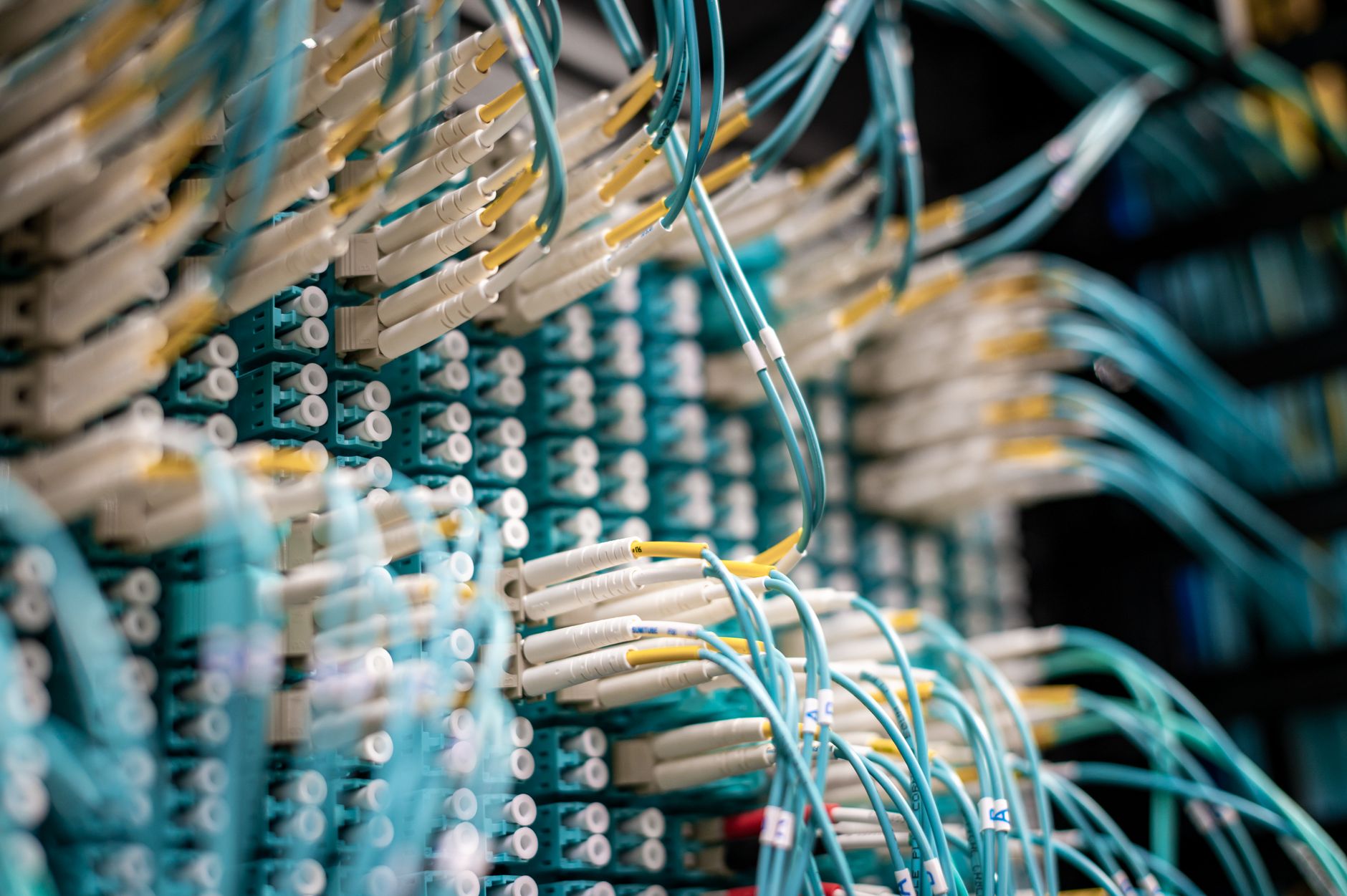
- Fiber optic network: The project involves the laying of fiber optic cables to provide broadband connectivity to rural areas.
- Gram panchayat-level connectivity: The project aims to provide broadband connectivity to all gram panchayats in the country.
- Open access network: The project involves the creation of an open access network, which will allow multiple service providers to offer their services to rural areas.
Benefits
of BharatNet
The BharatNet project has the potential to bring about significant benefits to rural India, including:
- Improved access to e-governance services: The project will enable the delivery of e-governance services, such as online application for various government schemes, to rural areas.
- Enhanced educational opportunities: The project will facilitate the provision of online educational services, such as online courses and digital resources, to rural areas.
- Better healthcare services: The project will enable the provision of telemedicine services, which will allow rural residents to consult with doctors remotely.
- Increased economic opportunities: The project will facilitate the provision of various online services, such as e-commerce and online banking, to rural areas.
Challenges
Facing BharatNet
Despite its potential benefits, the BharatNet project faces several challenges, including:
- Financial constraints: The project requires significant investment, which has been a challenge for the government.
- Technical challenges: The project involves the laying of fiber optic cables, which can be a complex and time-consuming process.
- Last-mile connectivity: The project faces challenges in providing last-mile connectivity, which refers to the connection between the fiber optic network and individual households.
Conclusion
The BharatNet project has the potential to bring about significant benefits to rural India. However, the project faces several challenges, which need to be addressed to ensure its success. The government needs to ensure that the project is implemented efficiently and effectively, and that the benefits of the project are equitably distributed among all sections of rural society.
Future
Outlook
The future outlook for the BharatNet project is promising. The government has announced plans to expand the project to cover all rural areas in the country. The project has the potential to play a significant role in bridging the digital divide in India and promoting economic growth and development in rural areas.
Recommendations
To ensure the success of the BharatNet project, the following recommendations are made:
- The government should ensure that the project is implemented efficiently and effectively.
- The government should provide adequate funding for the project.
- The government should ensure that the benefits of the project are equitably distributed among all sections of rural society.
- The government should work with private sector companies to provide last-mile connectivity and other services.
Some of the key points to note about the BharatNet project are:
- The project aims to provide broadband connectivity to all gram panchayats in the country.
- The project involves the laying of fiber optic cables to provide broadband connectivity to rural areas.
- The project has the potential to bring about significant benefits to rural India, including improved access to e-governance services, enhanced educational opportunities, better healthcare services, and increased economic opportunities.
- The project faces several challenges, including financial constraints, technical challenges, and last-mile connectivity issues.
Here are some of the benefits of the BharatNet project in bullet points:
- Improved access to e-governance services
- Enhanced educational opportunities
- Better healthcare services
- Increased economic opportunities
- Improved connectivity and communication
- Access to online services, such as e-commerce and online banking
- Creation of employment opportunities
- Promotion of digital literacy
The BharatNet project is a significant initiative by the Indian government to bridge the digital divide in the country. The project has the potential to bring about significant benefits to rural India and promote economic growth and development in the region.
Digital Editor
Pulse AI Systems


